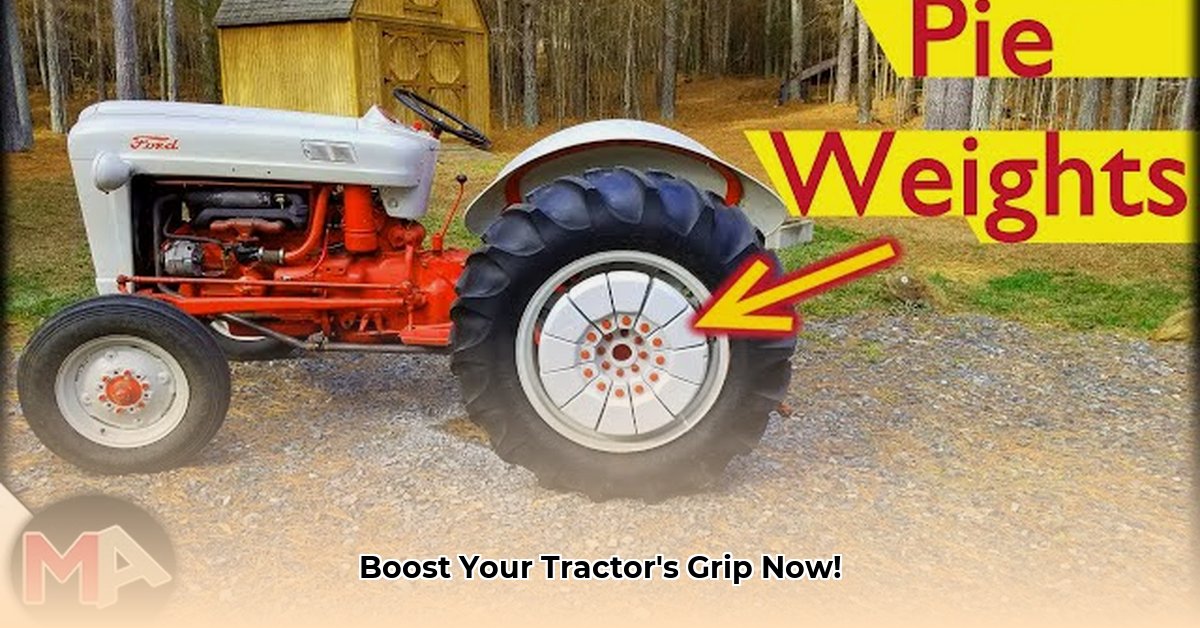
Ford tractors, renowned for their durability and contribution to agricultural progress, demand proper maintenance for optimal performance. Wheel weights, often overlooked, significantly impact traction, stability, and overall safety, especially when operating on slopes or using heavy implements. This guide provides a practical, step-by-step approach to understanding, installing, and maintaining wheel weights on your Ford tractor, interwoven with a historical perspective on their importance in Ford's agricultural legacy. For more info on alternative weights, check out this helpful resource: Suitcase Weights.
Why Wheel Weights Matter: A Legacy of Stability
Imagine the challenges faced by early farmers using Fordson tractors—powerful machines for their time, but lacking the inherent stability of modern models. Wheel weights addressed this critical need, providing added traction and counteracting the tipping forces exerted by heavy implements. This has remained a crucial aspect of Ford tractor operation throughout their history, evolving alongside engine power and implement size. Today, wheel weights are essential for preventing wheel spin, ensuring safe operation on inclines, and improving overall tractor performance. Did you know that adding weight can even lead to smoother hydraulic operation and more consistent power delivery, particularly crucial when using power-hungry equipment? This isn't just about today's models; this has been a core principle since the early days of Fordson tractors.
Finding the Right Weights for Your Ford Tractor
Before purchasing, consult your owner's manual for precise weight recommendations based on your specific Ford tractor model. This ensures safe and optimal operation. If your manual is unavailable, online Ford tractor forums are invaluable resources, with owners frequently sharing their experiences and specifications. Local agricultural equipment dealers and Ford's heritage department could also provide valuable assistance, particularly for older models.
When considering used weights, a thorough inspection is vital. Look for cracks, bends, or any signs of damage that could compromise stability or create significant imbalance. Any such imperfections suggest immediate replacement. An imbalanced weight can introduce damaging vibrations to the tractor.
Installing Your Ford Tractor Wheel Weights: A Step-by-Step Guide
Correct installation is paramount for both performance and safety. Always prioritize safety first.
Safety First: Engage the parking brake, switch off the engine, and disengage the power take-off (PTO). Work on a level surface, using jack stands for added stability if necessary. This precaution is vital, significantly reducing the risk of accidents.
Inspect the Weights: Before attachment, carefully check each weight for damage, ensuring it is free from cracks or significant wear. Replace any damaged weights immediately to avoid potential harm.
Align and Attach: Align each weight correctly with the tractor's designated mounting points. Your owner's manual provides detailed instructions for your specific model; adhere to these guidelines precisely. This step is crucial for equal weight distribution and optimal results.
Secure Fastening: Tighten all fasteners to the torque specifications outlined in your owner's manual. Using a torque wrench is highly recommended to prevent over-tightening and potential damage.
Post-Installation Check: After installation, gently spin the wheels to check for smooth rotation. Any vibration or difficulty suggests a problem, necessitating further investigation and adjustment. This final step ensures successful installation.
Maintenance and Care: Extending the Life of Your Weights
Regular maintenance ensures your wheel weights remain in optimal condition. Periodically inspect for cracks, rust, or corrosion. Minor surface rust can be addressed with cleaning and repainting. More significant damage necessitates replacement.
Proper storage is just as critical. Keep weights in a dry area, protected from elements and temperature extremes. This preventative measure significantly extends their lifespan, minimizing expenses and downtime.
Troubleshooting: Addressing Common Issues
Unforeseen problems can occur. Weight loss during operation is a serious safety hazard, requiring immediate attention. Excessive vibration often indicates weight imbalance, potentially damaging tractor components. In case of damage or installation difficulties, consult a qualified mechanic. Ignoring these issues could lead to significant and costly damage.
Sourcing Replacement Weights: Finding the Right Fit
Locating replacements can be challenging, especially for older models. Local agricultural supply stores are a great starting point, often stocking parts for older equipment. Online marketplaces offer a broader range of options, including both new and used weights. Specialized tractor parts suppliers focusing on vintage or classic equipment are an invaluable resource for rarer models. Online forums can also provide valuable leads and insightful advice from experienced owners. As a last resort, creative farmers have adapted old rims or heavy materials, but only do so if you are completely certain it meets the weight and safety requirements of your tractor.
Conclusion: A Legacy of Performance and Safety
Proper wheel weight maintenance isn't just about keeping your Ford tractor running; it's about optimizing performance and ensuring safety. By following these steps, you're preserving a piece of agricultural history while maximizing your tractor's capabilities and longevity. Remember, that balanced weight distribution is crucial for optimal performance and longevity to your tractor’s workings. Maintaining this balance will prevent possible accidents and costly repairs.